 ultimate-guide
Industrial Blade Sharpening Quality Standards
Table of Contents
- What Industrial Blade Sharpening Quality Standards Actually Mean
- How to Sharpen Wood Chipper Knives Without Damaging Temper
- Signs of Heat Damage in Industrial Knives
- Industrial Blade Sharpening Tolerances: Edge Geometry and Bevel Angles
- Sharpening Schedules by Material and Cutting Application
- Testing Sharpness and Documenting Quality Control
- Frequently Asked Questions
Last Updated: October 13, 2026
What Industrial Blade Sharpening Quality Standards Actually Mean
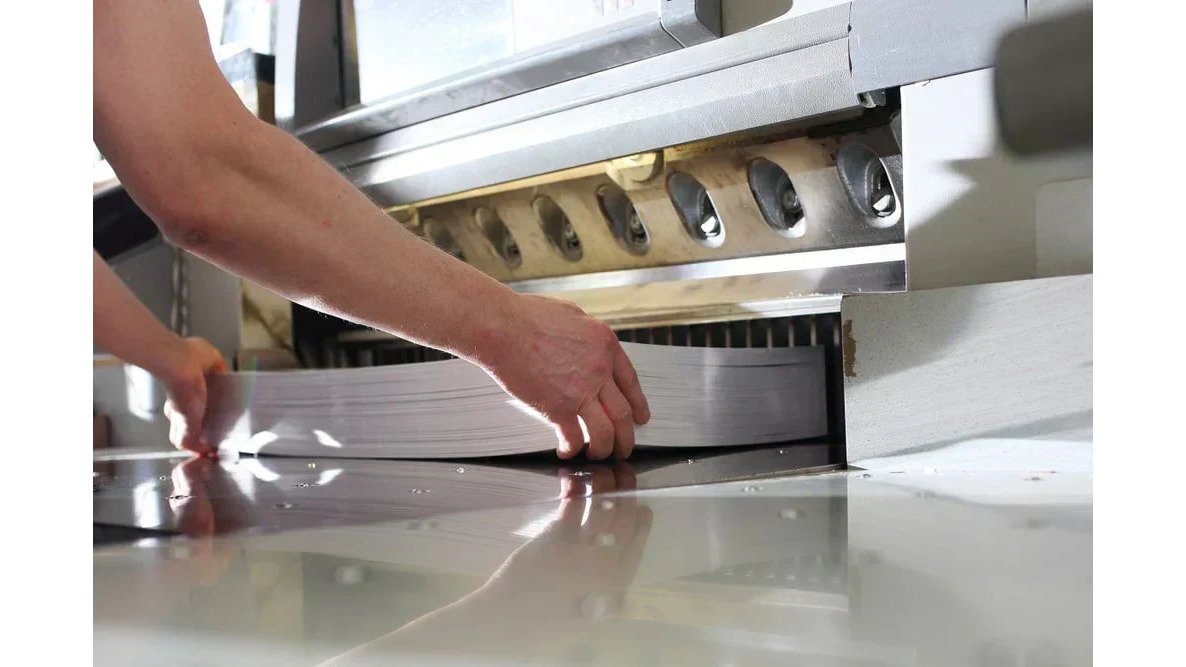
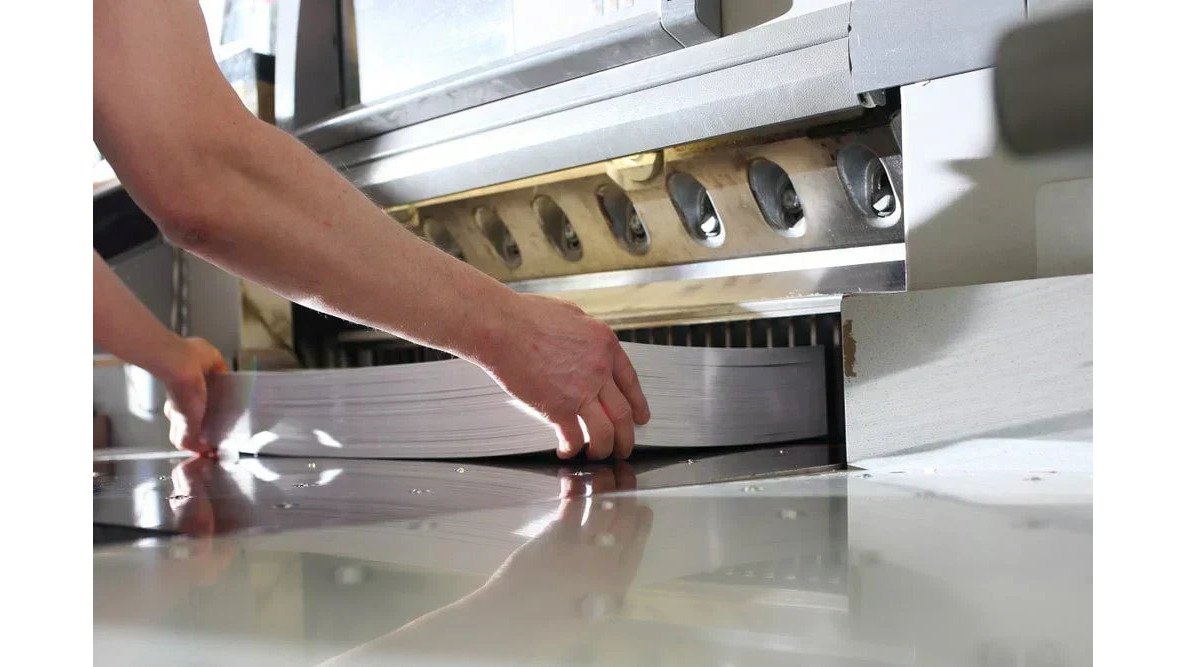
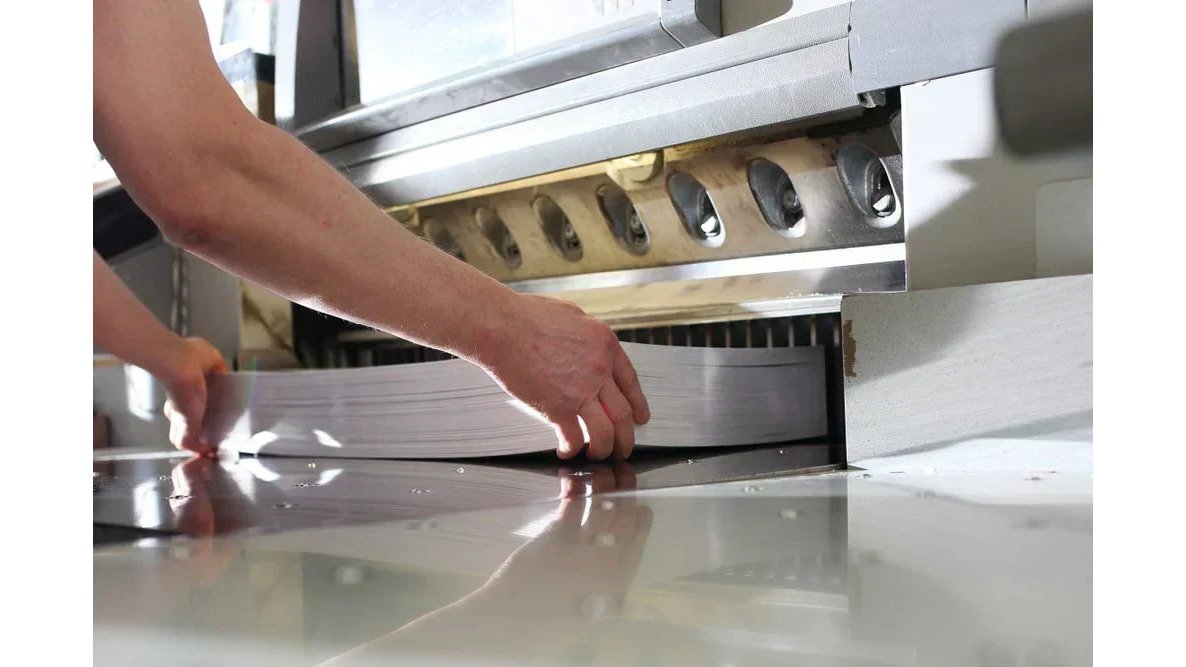
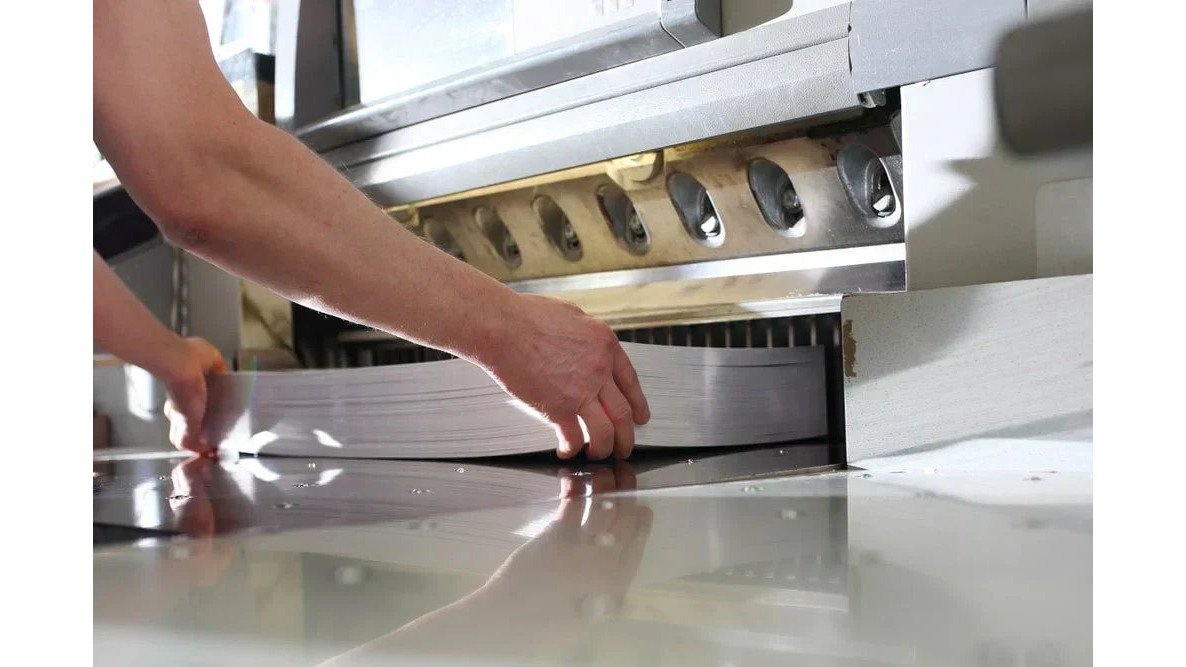
Industrial blade sharpening quality standards are the measurable criteria a blade must meet after grinding, edge geometry, surface finish, and cutting performance, rather than a visual judgment that the edge "looks sharp." We've spent over two decades restoring guillotine knives, granulator blades, and shear blades, and the single biggest gap we see is shops accepting a blade back on appearance alone.
That gap costs money. A blade that passes a glance but fails a cut test drags on machine wear, produces ragged trim, and returns to the sharpening bench weeks early. Below, we break down what a defensible blade sharpening standard looks like: acceptance criteria, tolerances, schedules by material, and the documentation that proves the work was done right.
Measurable Acceptance Criteria vs. Visual Inspection
Visual inspection catches gross damage, chips, cracks, heavy corrosion, and nothing else. It cannot detect a rolled edge, an inconsistent bevel, or a burr that folds over on the first cut.
A practical acceptance sheet for a guillotine knife might require the bevel angle to hold within a stated tolerance across the entire edge, no visible burr under magnification, and a clean cut through a defined stock sample with no tearing or double-cuts.
How to Sharpen Wood Chipper Knives Without Damaging Temper
The temper is destroyed by heat, not by grinding itself. Wood chipper knives are hardened steel, and once the edge zone passes the steel's tempering range, hardness drops permanently, the blade will never hold an edge the same way again, no matter how carefully it is re-honed afterward.
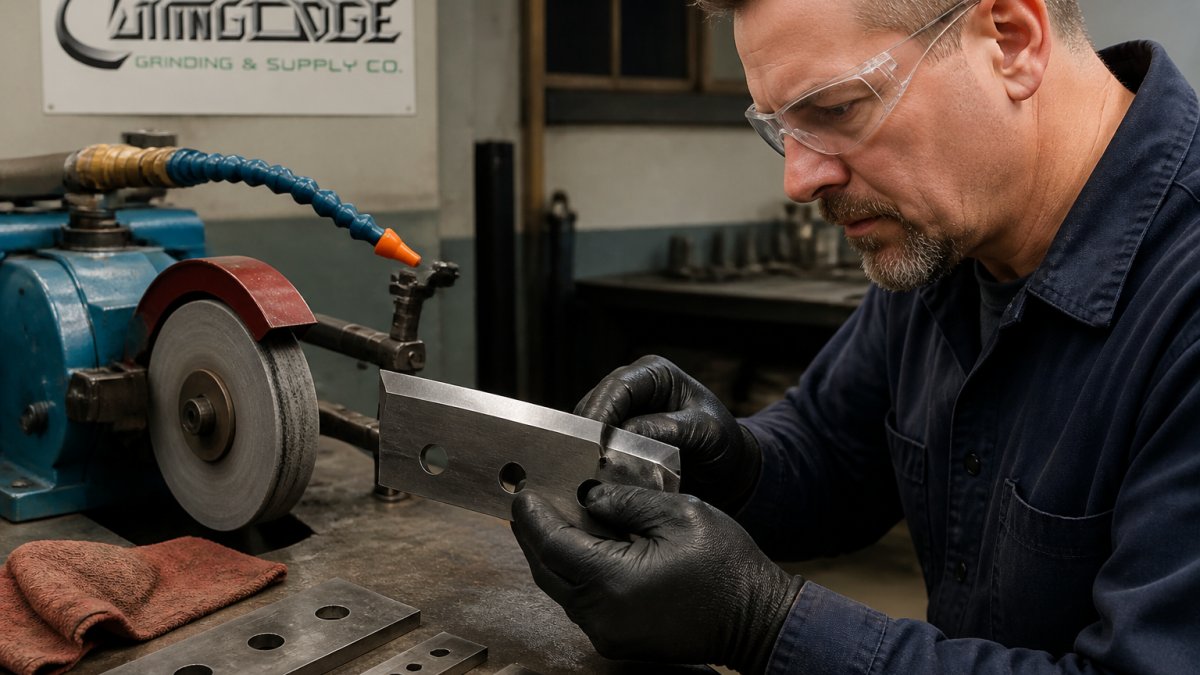
The sequence that protects temper:
- Clean the knife first. Pitch, sap, and adhesive buildup insulate the edge and cause the grinder to dwell in one spot.
- Set a shallow pass depth. Light, repeated passes remove material without concentrating heat.
- Flood with coolant. Continuous coolant keeps the edge zone below the temperature where tempering begins.
- Keep the wheel dressed and the abrasive matched to the steel. A glazed wheel rubs instead of cutting, and rubbing generates heat.
- Never quench a hot edge in cold water to "speed things up." Thermal shock cracks hardened steel.
Coolant, Pass Depth, and Heat Control
Coolant is the single most important variable, and it is the one most often skimped on. A steady flood directed at the contact point carries heat away before it reaches the temper zone. Pass depth matters just as much: heavy passes generate heat faster than coolant can remove it, so the edge overheats even with the hose running. The rule we give shops is simple, if you can see a color change at the edge, you have already gone too far.
Signs of Heat Damage in Industrial Knives
Heat damage announces itself in color. Straw yellow, bronze, purple, and blue discoloration at the edge are oxide colors, and each one corresponds to a progressively higher temperature the steel reached.
Other signs are less obvious. A soft edge that rolls or folds instead of chipping points to lost hardness. Fine surface cracking near the bevel, sometimes called checking, indicates thermal stress.
Industrial Blade Sharpening Tolerances: Edge Geometry and Bevel Angles
Industrial blade sharpening tolerances define how closely the finished edge must match the specified geometry. Every blade type has a target bevel angle, and the tolerance is the acceptable deviation from it.
Tolerance matters because edge geometry controls how the blade loads the material and the machine. An angle ground too steep cuts poorly and loads the motor. Too shallow, and the edge is fragile and chips.
The Geometry Variables That Define a Tolerance
A complete tolerance specification covers more than the bevel angle. These are the variables a defensible standard addresses, and each one has a measurable limit:
- Included bevel angle. The angle at the cutting tip, measured against the specification. This is the primary geometry callout.
- Edge profile. The contour of the edge, straight, serrated, or a specific radius, held to the specified shape along the full length.
- Flatness. How closely the blade face or back sits to a true plane. Flatness errors show up as uneven cuts and inconsistent clamping.
Tolerances by Blade Type
The right tolerance window depends on what the blade does and what it cuts. A shearing blade that trims printed sheet needs a tighter straightness and angle window than a granulator blade that reduces scrap, because the failure modes are different. A common pattern across shops:
| Blade Type | Primary Concern | What Tolerance Controls |
|---|---|---|
| Guillotine / trimmer | Straightness, bevel angle | Clean cut, square trim |
| Granulator / shredder | Edge profile, hardness | Throughput, blade life |
| Shear / press brake | Angle consistency, flatness | Burr-free shearing, punch alignment |
| Chipper / planer | Temper retention, angle | Edge holding, motor load |
| Circular / slitter | Runout, edge profile | Cut consistency, web tracking |
Material-Specific Geometry and Abrasives
The blade material and the material being cut both drive the geometry and the sharpening process. Harder blade steels hold a shallower, more acute edge longer but are more prone to chipping and require slower, cooler grinding.
The cut material matters just as much. Abrasive stock, filled plastics, recycled fiber, mineral-filled sheet, wears an edge fast and rewards a more durable angle. Clean paper and softwood tolerate a finer, more acute edge.
When the geometry drifts outside tolerance, the blade goes back to the grinder, not into service. That is the whole point of a standard: it removes the argument and replaces it with a number.
Sharpening Schedules by Material and Cutting Application
Sharpening frequency follows the material being cut, not the calendar. Abrasive stock, filled plastics, recycled fiber, mineral-filled sheet, wears an edge far faster than clean paper or softwood.
A workable approach is to set a baseline interval per blade and material, then shorten it when you see the early wear signals: rising motor load, increasing cut force, fuzzy or torn edges, and more frequent blade adjustments.
Testing Sharpness and Documenting Quality Control
A sharpness test is only a quality standard if it is repeatable. That means fixed test conditions, a defined pass/fail threshold, and a record that ties the result to a specific blade. "It cuts easily" is not a test; it is a first impression, and it changes with the operator, the material lot, and the day.
The gap most shops fall into is treating sharpness as a single measurement. It is not. Edge quality has at least four independent dimensions, and a blade can pass one while failing another:
- Edge angle, the included angle at the tip, measured against the specification.
- Edge straightness / profile, deviation from a true line or the specified contour along the full cutting length.
- Burr and wire edge, residual folded metal that folds over on the first cut and mimics a dull blade.
- Cut performance, the result on the actual production material under controlled conditions.
Defining Repeatable Test Conditions
A cut test is worthless if the sample changes every time. Lock the variables before you set a threshold:
- Fixed sample. Use the same material grade, thickness, and moisture content the blade runs in production. Keep a labeled reference sample on the bench.
- Fixed setup. Same machine, same clamp pressure, same feed or stroke speed, same number of cuts.
- Fixed evaluation. Define what a pass looks like in observable terms, no tearing, no double-cuts, no measurable burr on the cut edge, chip or granule size within a stated band.
- Fixed operator training. Two people running the same test on the same blade should reach the same conclusion.
For shearing and trimming blades, a workable pass/fail is a clean cut through the reference sample with no tearing, no double-cuts, and no burr detectable by touch or under low magnification. For chopping and granulating blades, the equivalent is consistent chip or granule size at rated throughput with no oversized tails. Write the threshold down, and make the test binary: pass or fail, no "close enough."
Building a Traceable QC Workflow
A documented workflow is what separates a shop that sharpens blades from a shop that controls blade quality. Each stage produces a record, and each record carries the fields that let you trace a failure back to its cause:
- Incoming inspection. Record blade ID, condition as received, measured edge angle, damage, corrosion, and contamination before any work begins.
- Sharpening record. Log the target geometry, abrasive type and grit, pass depth, coolant status, and the operator.
- Post-sharpening verification. Record measured edge angle, straightness, burr check result, and cut test outcome against the written acceptance criteria.
- Return-to-service sign-off. Date, blade ID, and the initials of the person who verified the blade.
Two supporting records make the workflow defensible. First, calibration records for every measuring tool, angle gauges, micrometers, straightness references, and hardness testers, with calibration dates and the standard used. A measurement from an uncalibrated gauge is not evidence.
That record does two things. It proves the blade met the standard, and it builds a history you can mine when a blade fails early, you can trace whether the cause was the sharpening, the material, or the machine.
For shops that would rather not build this capability in-house, the OSHA machine guarding standards for abrasive wheel operations set the safety baseline any grinding operation must meet, and ANSI B7.1 on abrasive wheel safety covers wheel mounting and use.
Frequently Asked Questions
What are the industry standards for industrial blade sharpness?
There is no single universal standard, but most shops define acceptance criteria based on edge geometry, bevel angle tolerance, and a cut test. A common approach is to specify the bevel angle within plus or minus 0.5 degrees, check for a consistent burr along the full edge, and confirm the blade produces clean cuts on the target material without excessive machine strain. Documenting these criteria per blade type creates a repeatable standard your team can verify after every sharpening job.
How does improper sharpening affect the temper of wood chipper knives?
Excessive heat from aggressive grinding or insufficient coolant draws the temper out of the steel, softening the cutting edge. Once temper is lost, the edge rolls or chips quickly under load, and the blade may need replacement instead of resharpening. Following the correct procedure for how to sharpen wood chipper knives without damaging temper means light passes, steady coolant flow, and never letting the edge turn blue or straw-colored.
What are the signs of a poor-quality industrial blade sharpening job?
Watch for an uneven bevel, a wavy or rounded edge profile, visible discoloration from heat, and inconsistent burr along the length of the blade. In production, poor sharpening shows up as rough cuts, increased machine vibration, faster edge wear, and shorter intervals between resharpening. If a blade dulls within days of coming back from service, the sharpening job likely removed too much material or overheated the edge.
How often should industrial blades be professionally sharpened?
Frequency depends on the material being cut, run hours, and blade type. Printing guillotine blades may need resharpening every few weeks in high-volume shops, while granulator blades in plastics processing might run longer between services. Track cut quality, machine strain, and edge inspection results to set a schedule. Resharpening before a blade goes fully dull removes less material and extends total blade life.
What is the difference between machine grinding and manual sharpening for industrial blades?
Machine grinding uses controlled feed rates, coolant, and fixed angles to hold tolerances consistently across the full edge. Manual sharpening relies on operator skill and is harder to repeat, especially on long guillotine or shear blades. For production environments where edge geometry and bevel angle affect cut quality, machine grinding with documented parameters gives you a verifiable result and a blade that performs the same way every time.